
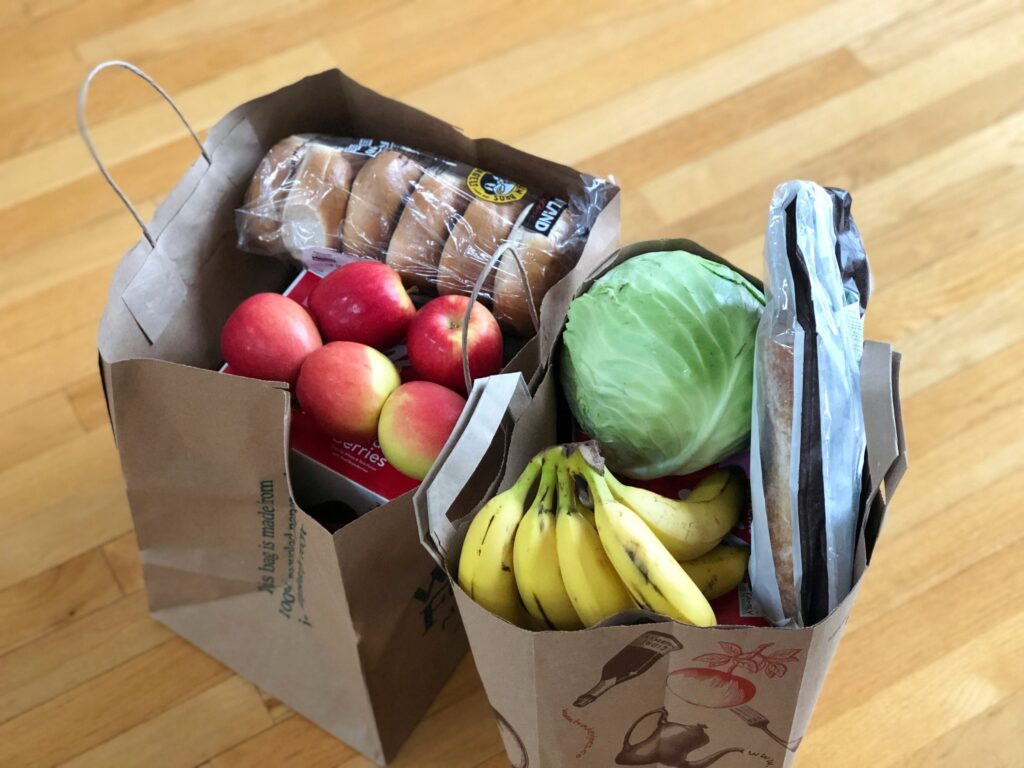
What Is Food Security?
Food security means that all people, at all times, have physical, social, and economic access to sufficient, safe, and nutritious food that meets their dietary needs and food preferences for a healthy and active life. It is a complex, multi-dimensional concept involving food availability, access, utilization, and stability. Food insecurity is often closely connected with poverty, because when people experience financial strain, food is frequently one of the first household expenses to be reduced. These dynamics disproportionately affect individuals and groups who are socially or economically marginalized.
What Is the Westside Food Collaborative (WFC)?
The Westside Food Collaborative (WFC) is a neighbourhood food network of organizations, groups, and individuals working to support community food security on Vancouver’s Westside. Hosted by Kitsilano Neighbourhood House, the WFC helps coordinate collaborative efforts, build collective capacity, and form a unified voice among local service organizations that provide food supports. Through shared planning and coordinated action, the Collaborative seeks to improve access to adequate food resources for the most vulnerable residents and address the underlying factors that contribute to food insecurity.
Mission of the Westside Food Collaborative
- Coordinate local efforts and strengthen capacity among food-support service providers
- Work collectively to improve availability and access to food for vulnerable community members
- Address systemic drivers of food insecurity in order to advance a more just and sustainable food system for all residents of the Westside
The Collaborative posts updates and highlights of its community activities and reports on its Facebook and Instagram pages.
What Has the WFC Accomplished?
Over recent years, the Westside Food Collaborative has been active in assessing needs, building plans, and engaging diverse partners:
- 2021: Kitsilano Neighbourhood House became a fiscal sponsor of WFC with support from a City of Vancouver Sustainable Food Systems Grant, enabling part-time coordination of food security work. Representatives from a dozen community food organizations began monthly coordination meetings.
- 2021: The Thinner and Thinner: Westside Food Asset Need and Scan report highlighted the need for coordinated and comprehensive community food responses.
- 2022: A Strategic Planning Case Study helped identify strengths and weaknesses to inform future collaborative planning.
- 2023: The Food For All: Seniors’ Food Security in Vancouver’s Westside Community Dialogue Report captured community engagement and recommendations related to seniors’ food needs.
- 2024: A Free and Low-Cost Community Food Resources – Westside guide was updated periodically to reflect available resources.
Westside Seniors Hub’s Involvement with the WFC
How the Hub Works with WFC
Westside Seniors Hub shares updates with its partners about the ongoing work of the Westside Food Collaborative, including contributions to planning, reporting, and community food activities. These activities help inform Hub partners about food security priorities and encourage collaborative action across organizations with intersecting interests in seniors’ wellbeing.
Recent Collaborative Activities and Discussions
- June 2024: Discussion of the City of Vancouver Sustainable Food Systems Grant interim report and a volunteer’s organizational asset mapping among WFC partners.
- May 2024: Planning discussions around roles, tasks, and budget for a Westside Food Fair.
- April 2024: Presentation of the Neighbourhood Food Democracy Report at a monthly WFC meeting, identifying neighbourhood priorities and food asset mapping results.
- March 26, 2024: A WFC meeting shared themes from Phase 1 strategic planning and proposed next steps for collaborative action with Hub partners and other community organizations.
- March 4, 2024: Phase 1 strategic planning session co-hosted by WFC and the Kitsilano Community Centre Association focused on shared priorities and collaborative approaches to food security.
- November 2023–February 2024: Brainstorming sessions involving WFC, WSH Council, Kitsilano Neighbourhood House, and other partners explored next steps in food security collaboration, supported by facilitation.
- October 2023: The WFC Community Food Developer presented the Collaborative’s work and Food For All report findings at the Hub’s quarterly meeting, sparking interest in integrating food-related activities with WFC members’ programs and services.
Why This Matters for Seniors
Food security is a fundamental dimension of health and quality of life, especially for older adults who may face fixed incomes, mobility limitations, or health-related dietary needs. Barriers to food access can compound physical and social challenges, making community-focused approaches — including coordinated resources, planning, and partnerships — essential to building age-friendly supports. Addressing food insecurity requires a holistic approach that includes immediate access to food as well as long-term efforts to strengthen community systems and supports.